Project by Youri Kravtchenko, Elsa Audouin, Raphael Bonbon and Nobuyoshi Yokota | Photo by Alicia Dubuis
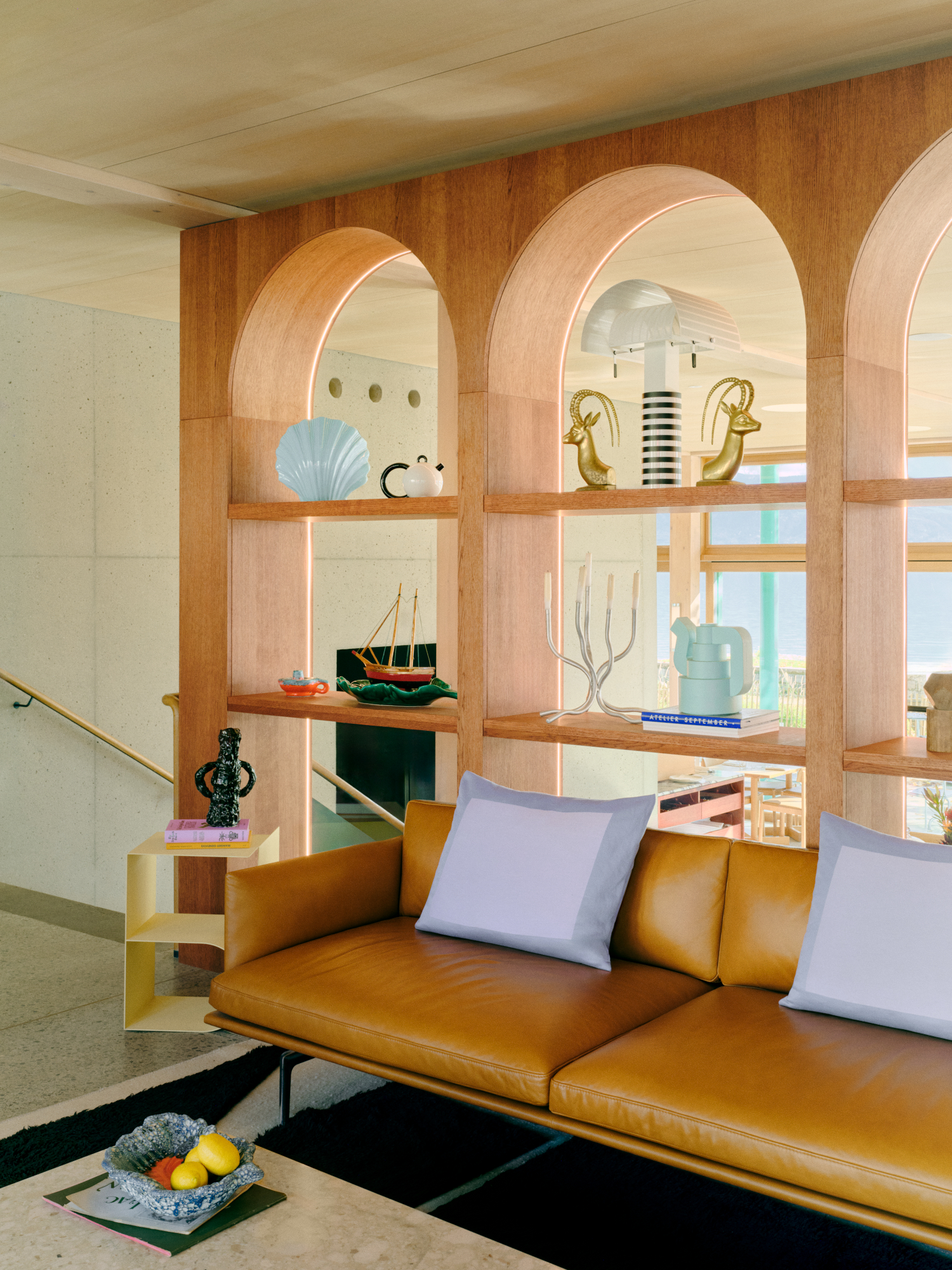
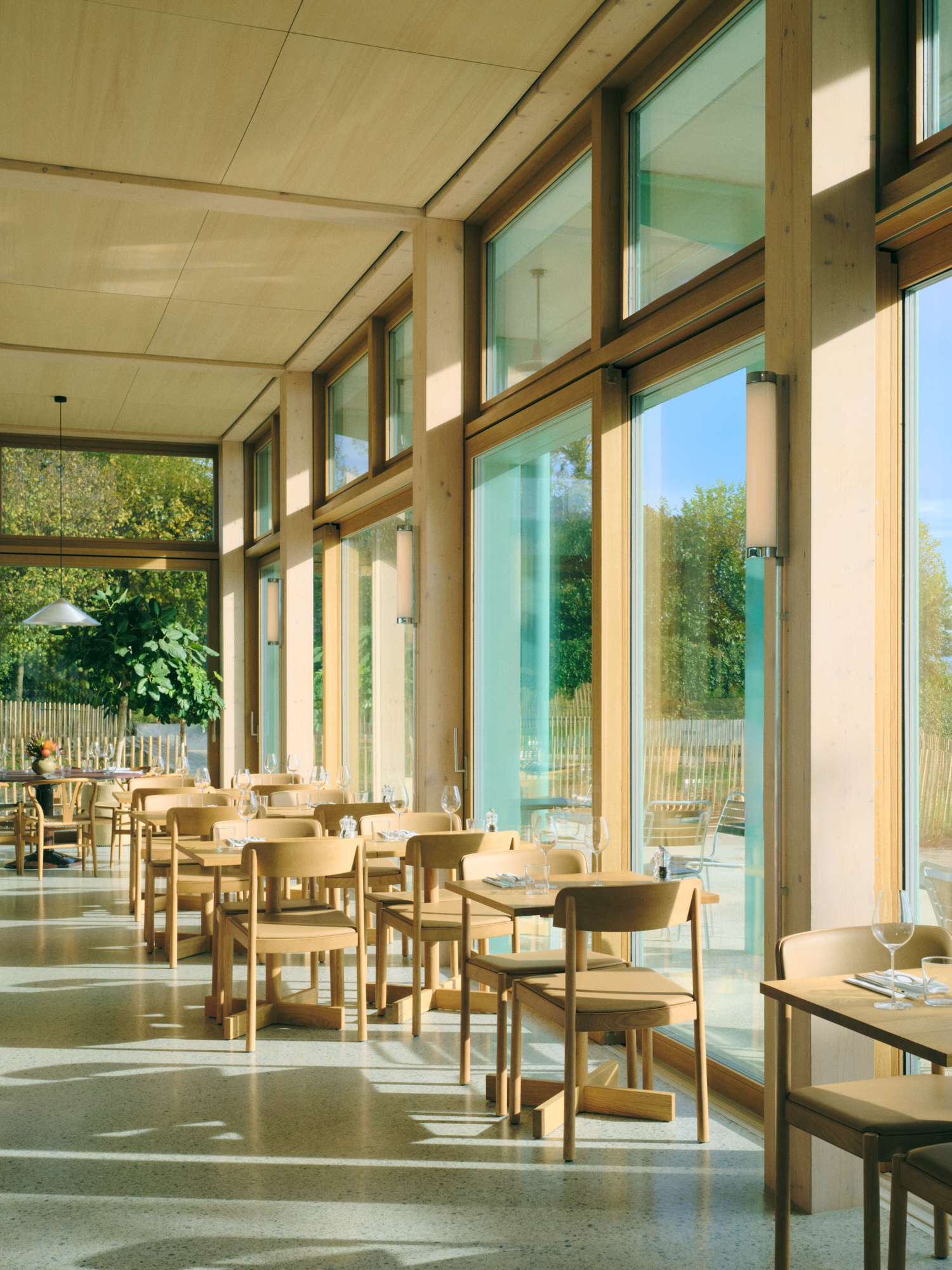
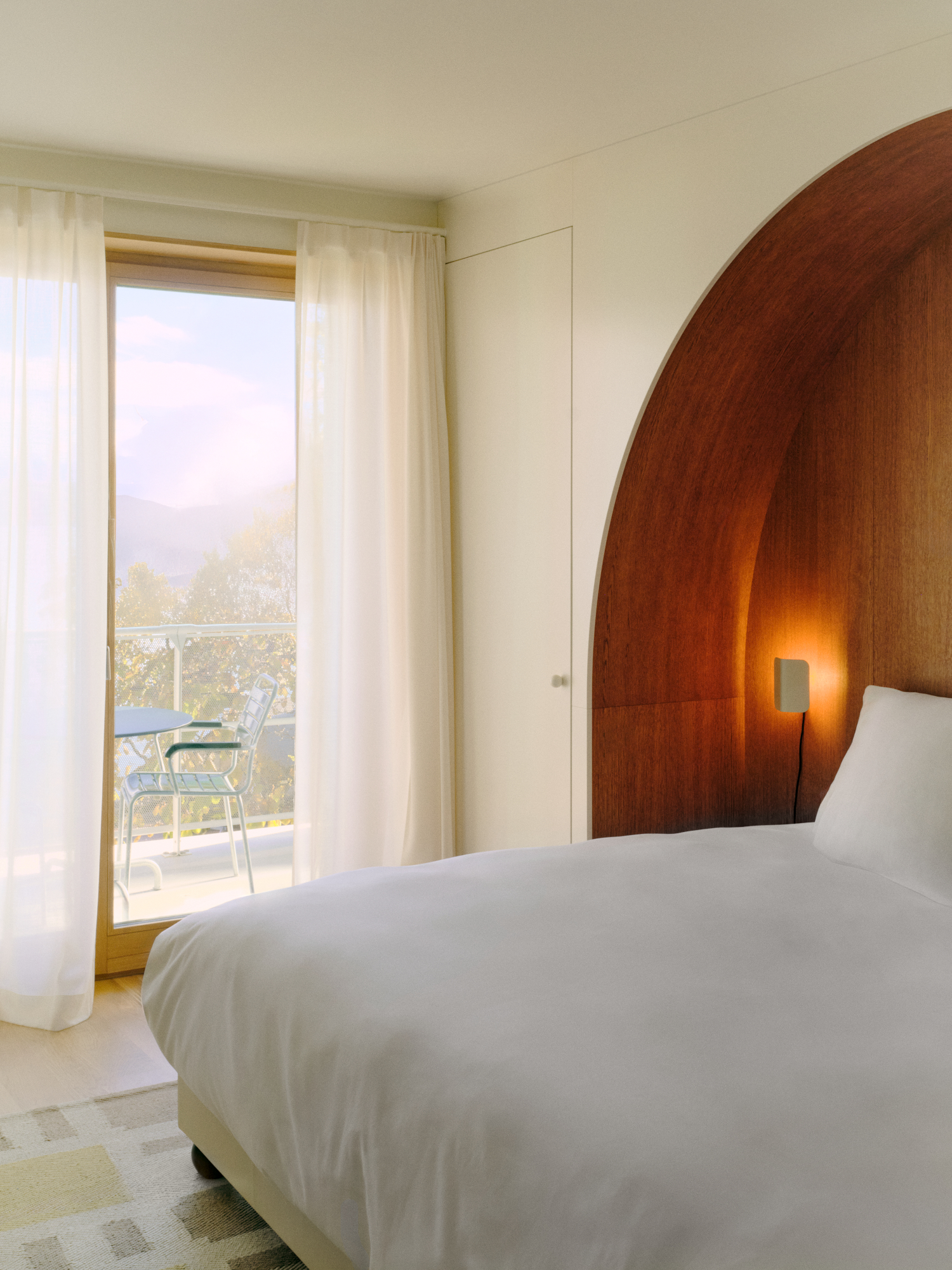
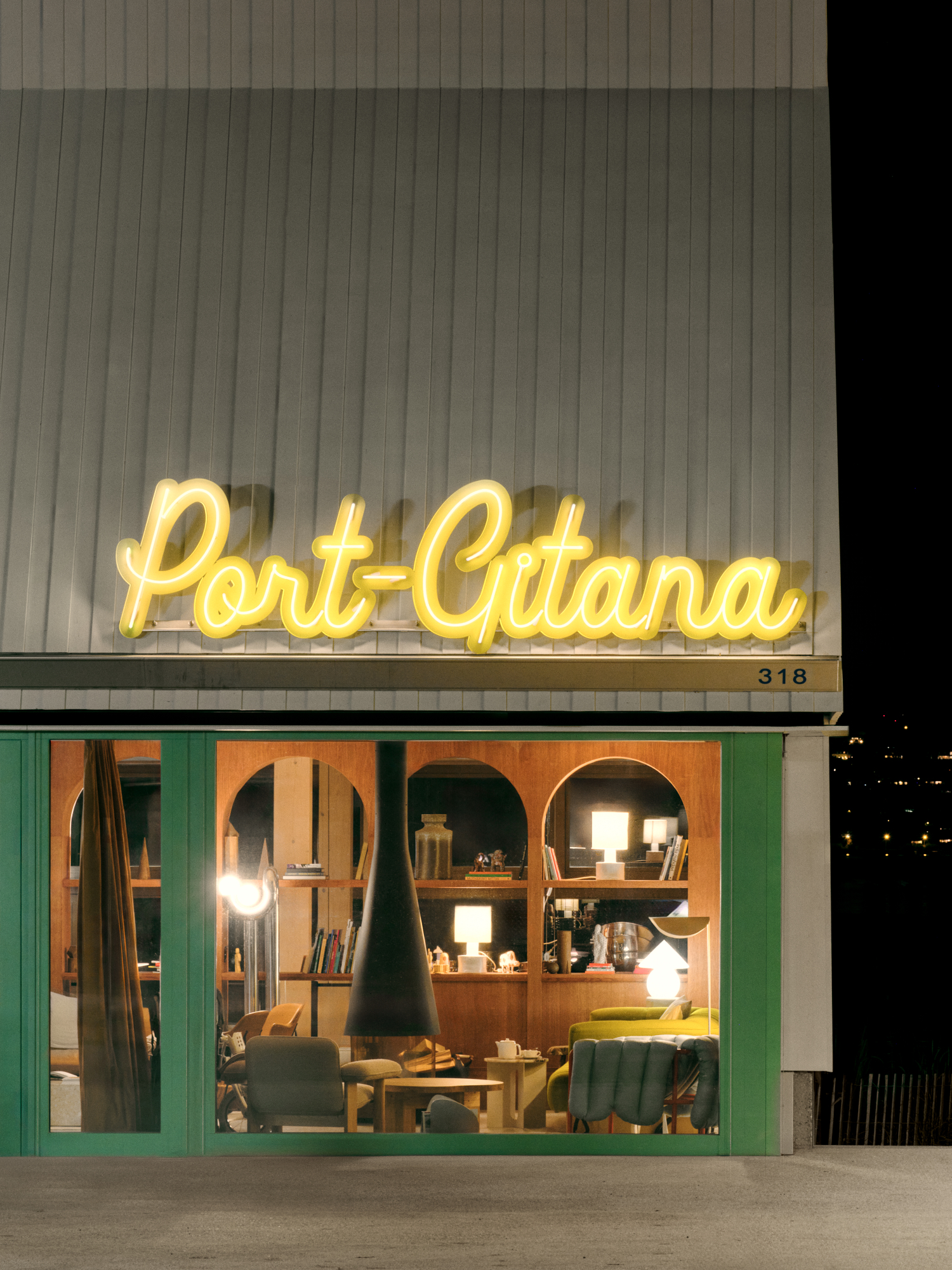
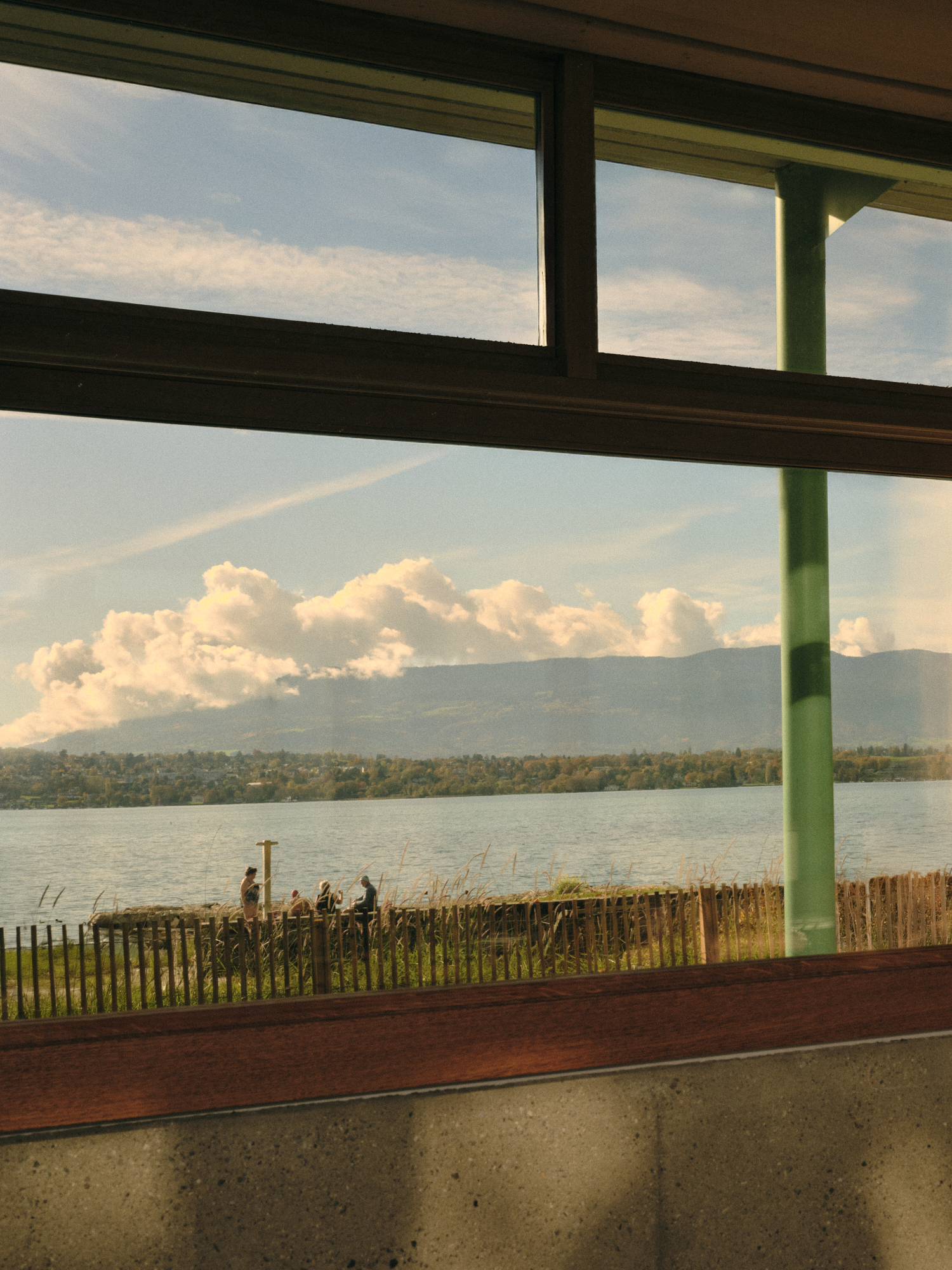
On this discreet harbour on the shores of Lake Geneva, where the Gitana—a pioneering steam yacht—was launched in 1876, inaugurating what would become a mythical naval lineage, an inn now stands at the water’s edge. It occupies a threshold: between lake and land, between the industrial memory of the site and the mountainous horizon of Mont Blanc, visible across the water like a permanent reflection. Designed by Atelier Bal.e, the building frames these landscapes through large restaurant windows and the balconies of the guest rooms, while the interior absorbs and rearticulates them through a constellation of collected objects and contemporary artworks.
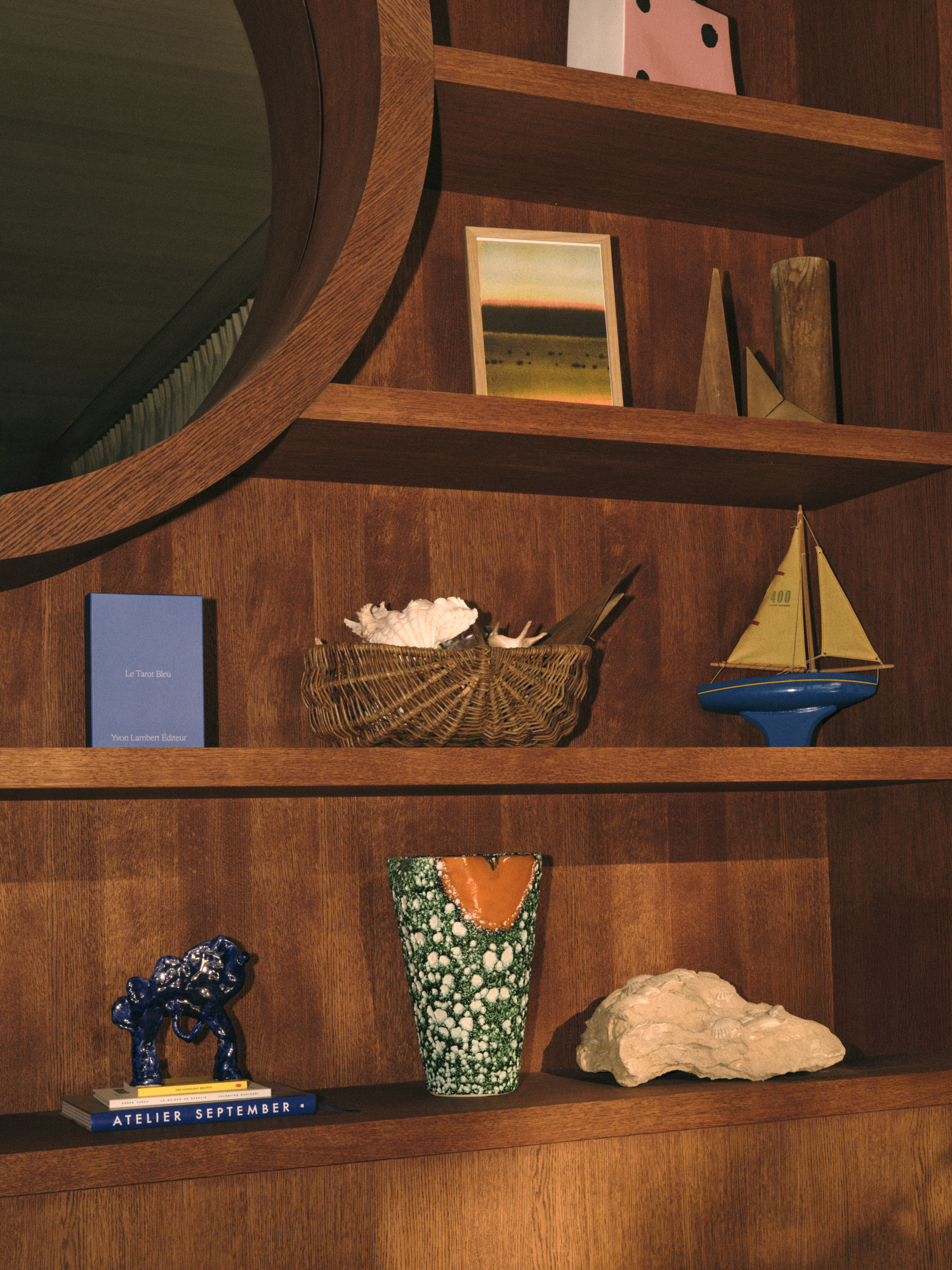
At Port-Gitana, travel is not a theme but a condition. The journeys of passing visitors intersect with latent movements between lake and mountain, alongside echoes of Belle Époque seaside hotels and more personal trajectories—those of architect Youri Kravtchenko, shaped between Brazil and European flea markets. The inn operates as a montage, where memories, references and contemporary gestures coexist without hierarchy.
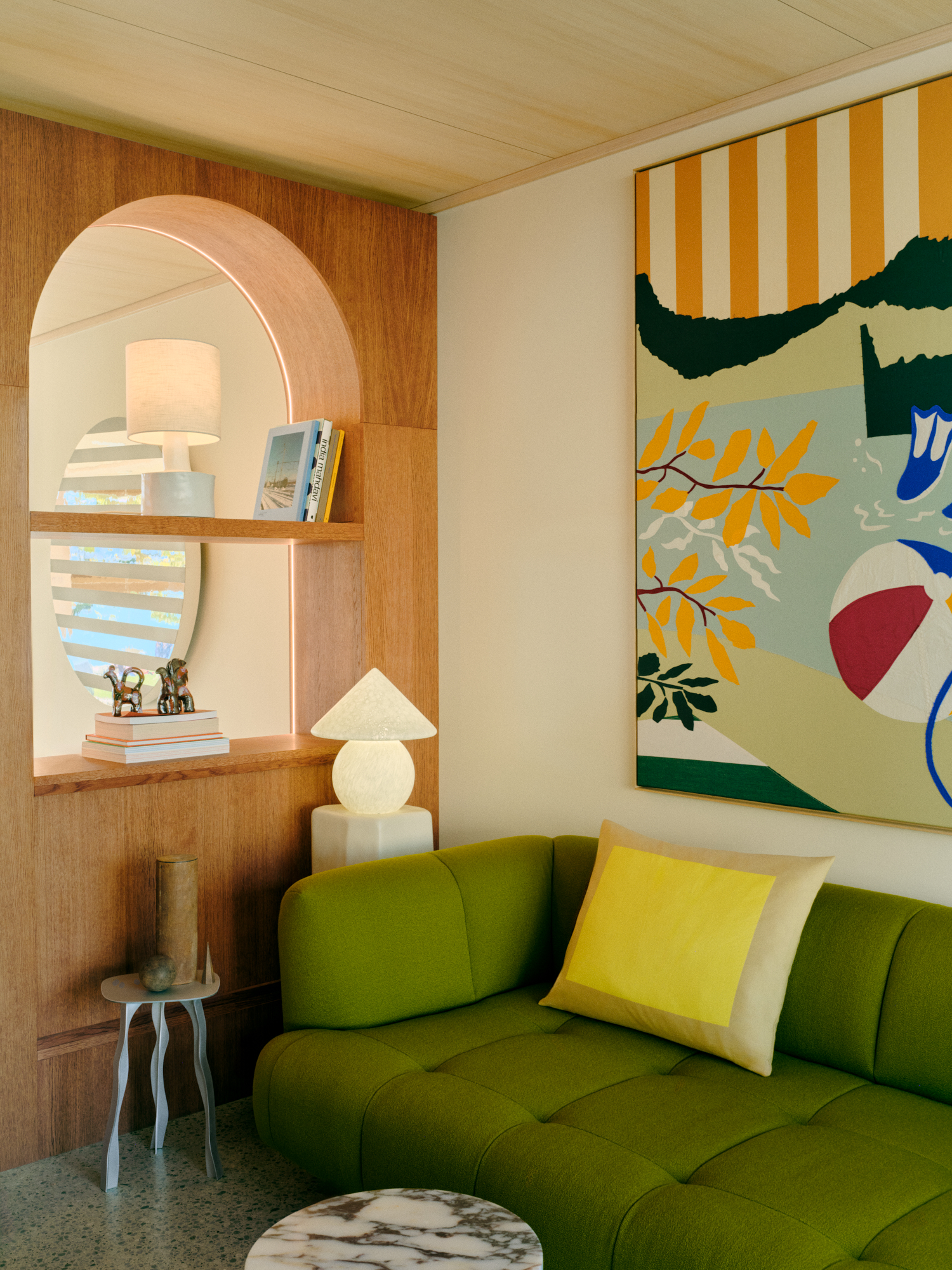
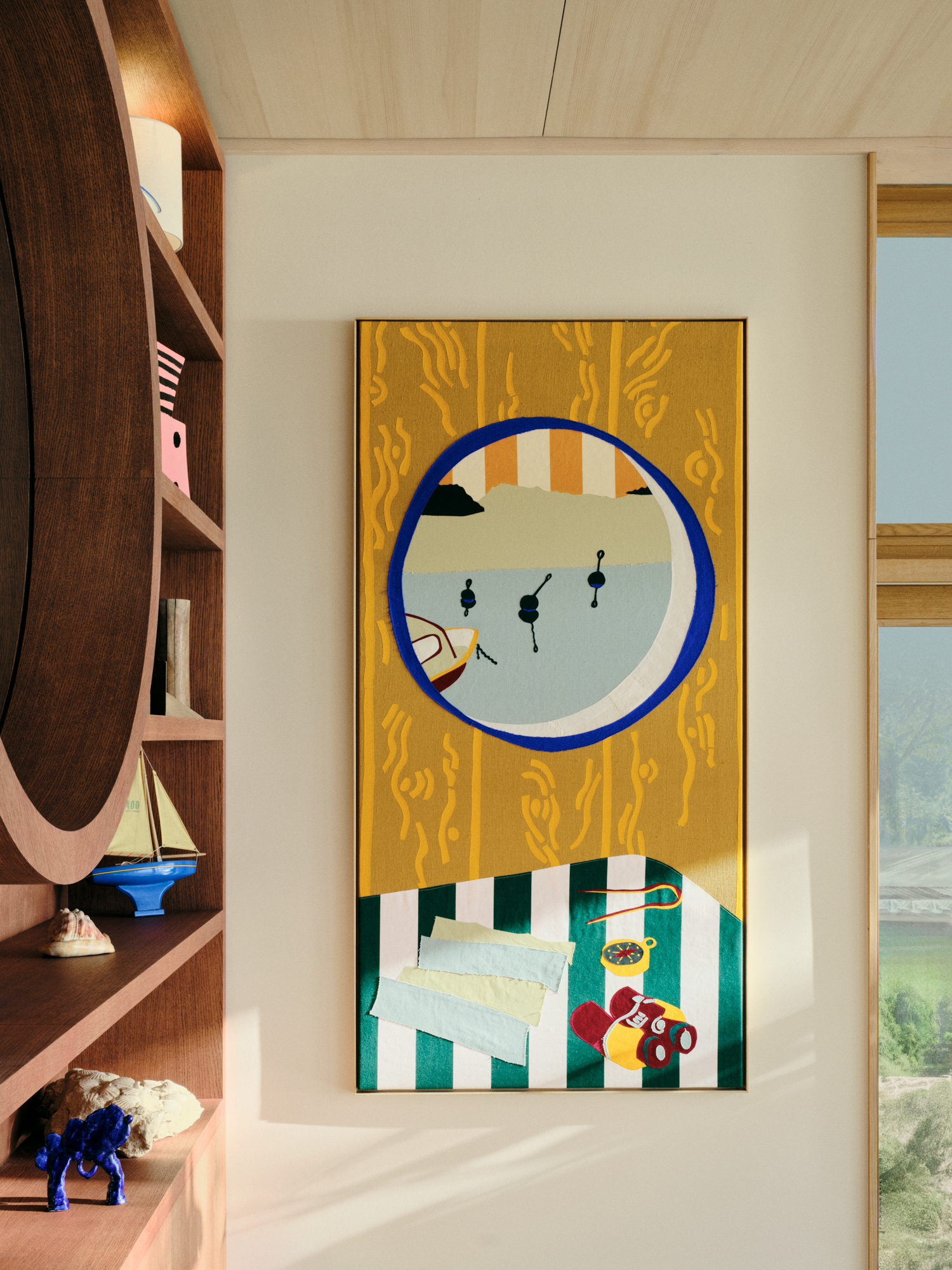
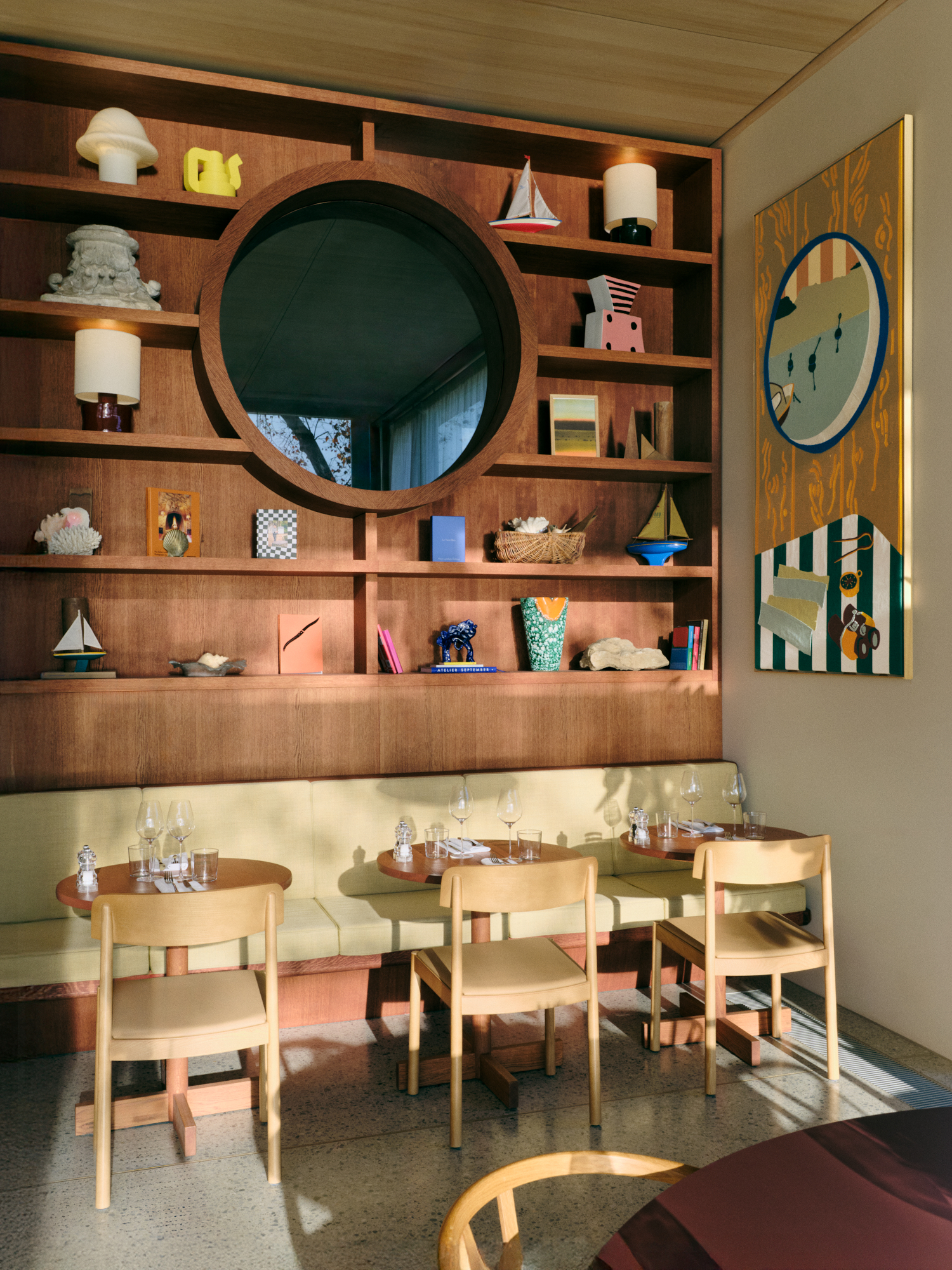
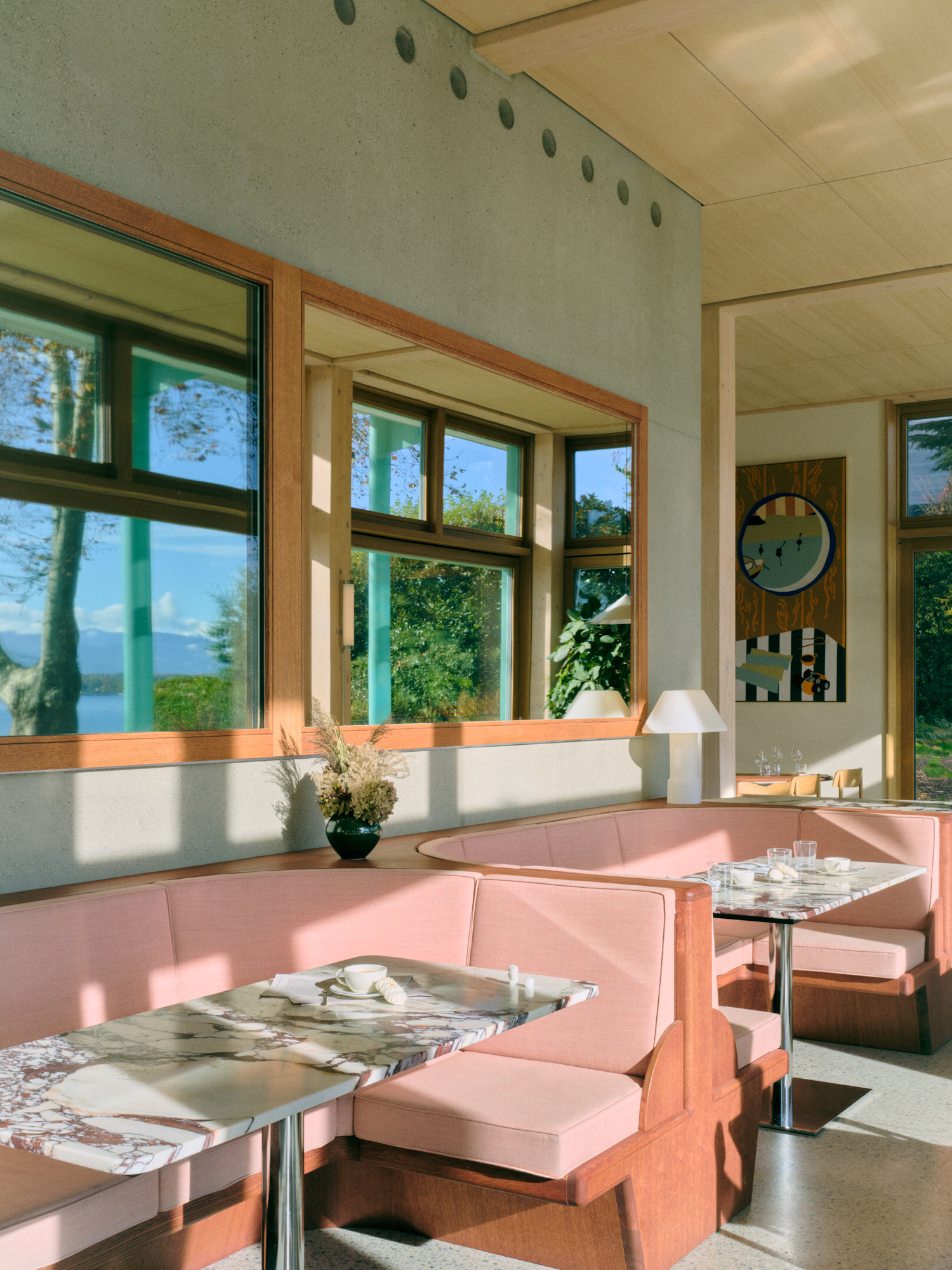
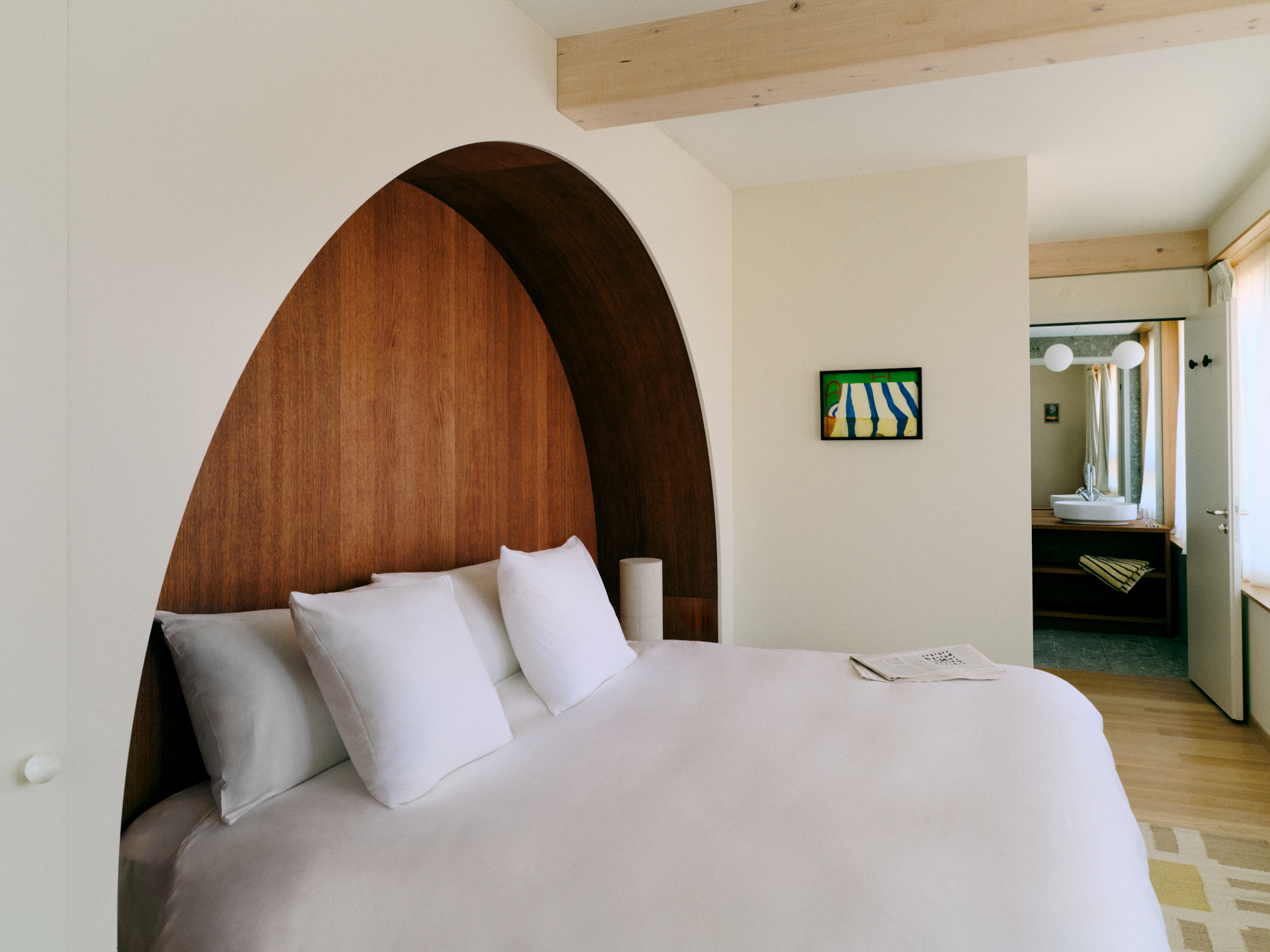
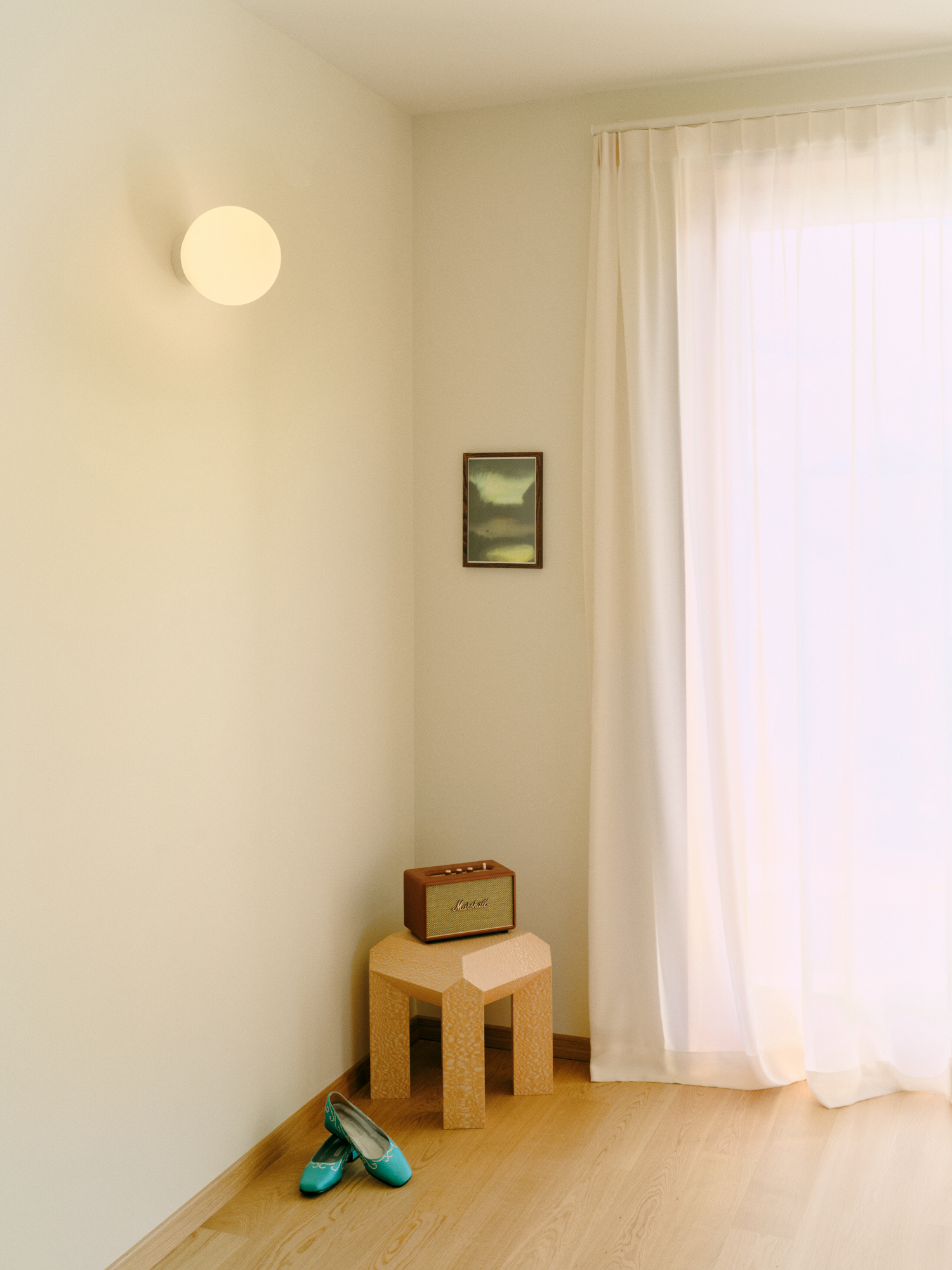
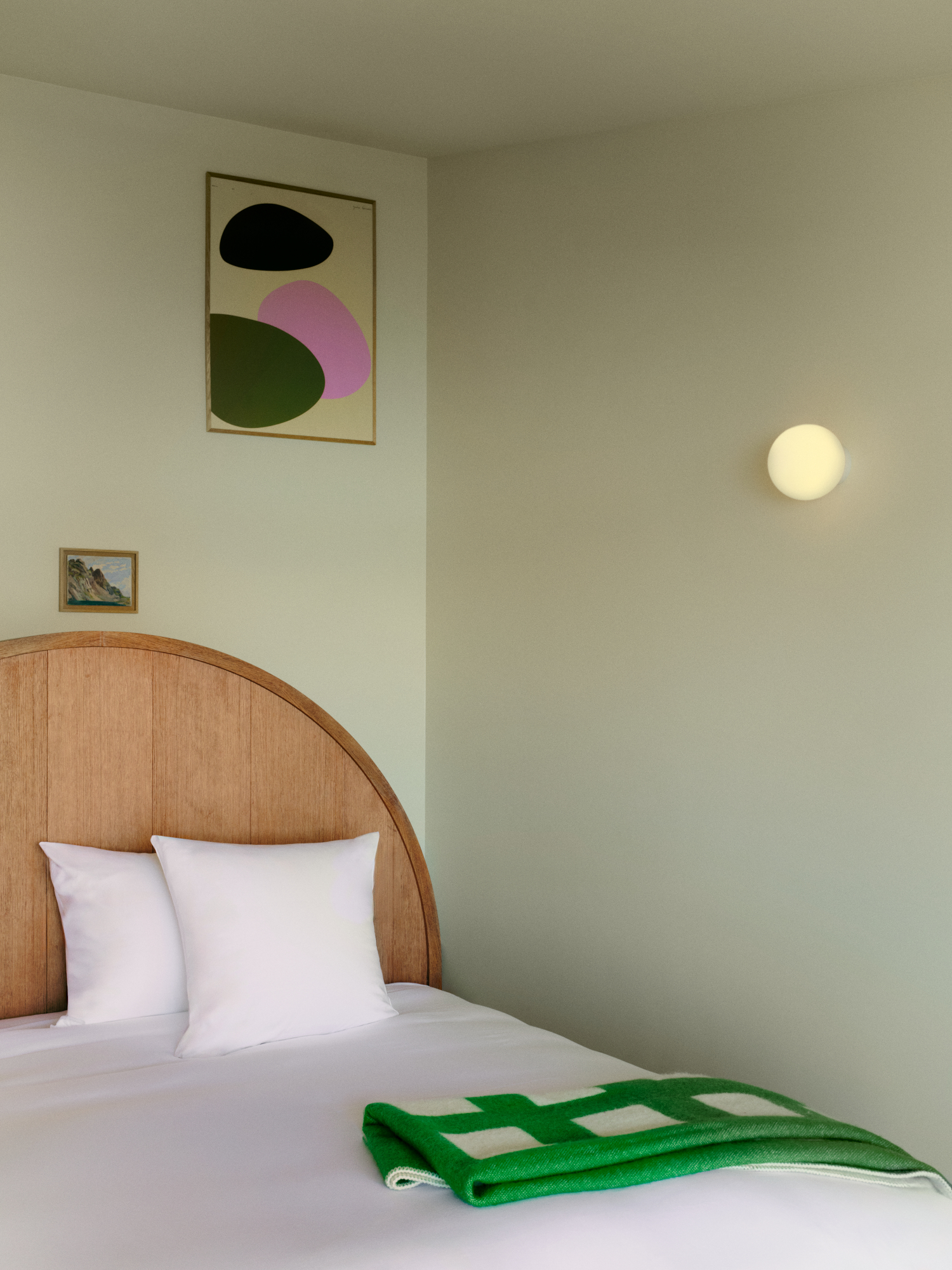
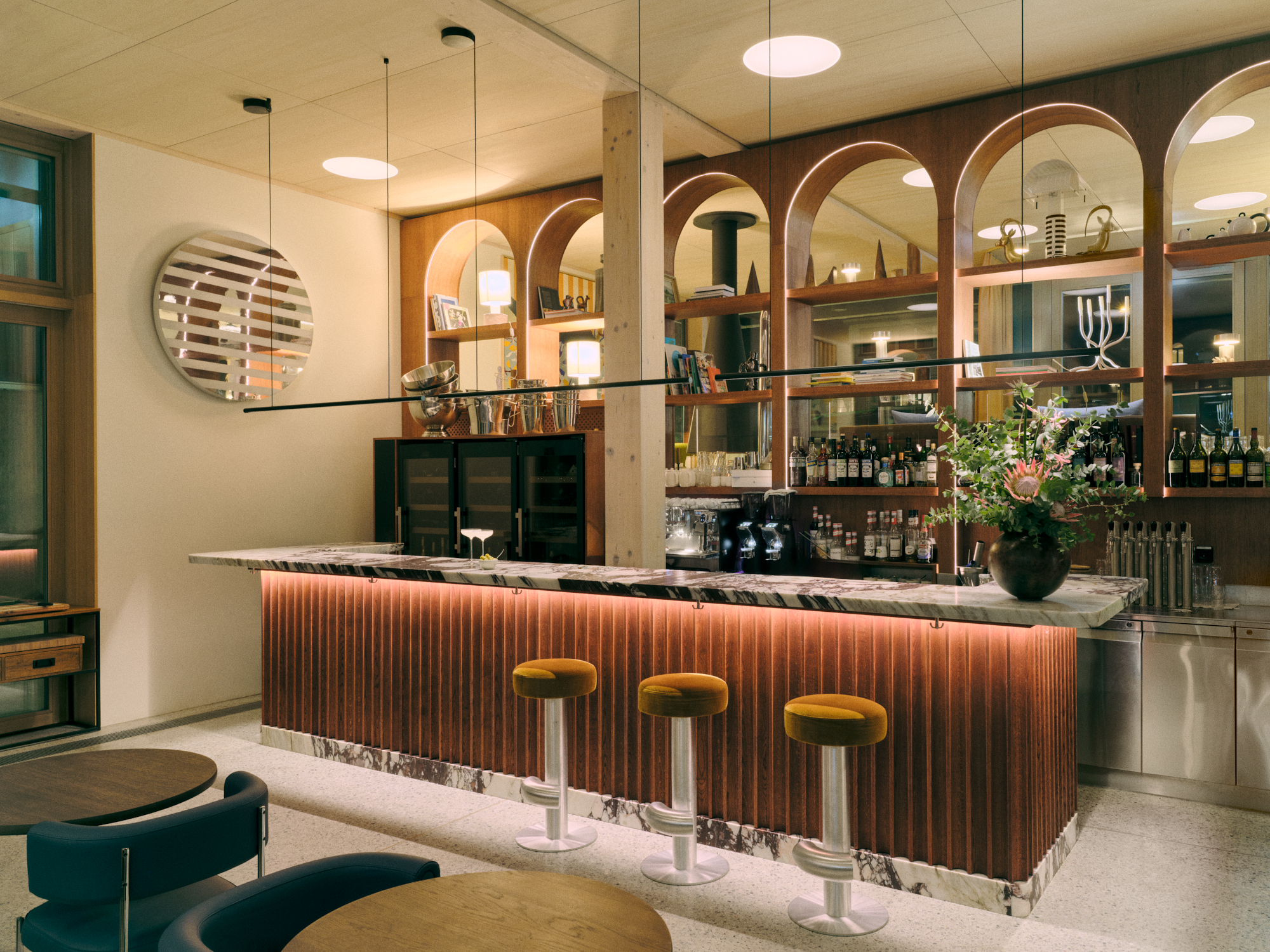
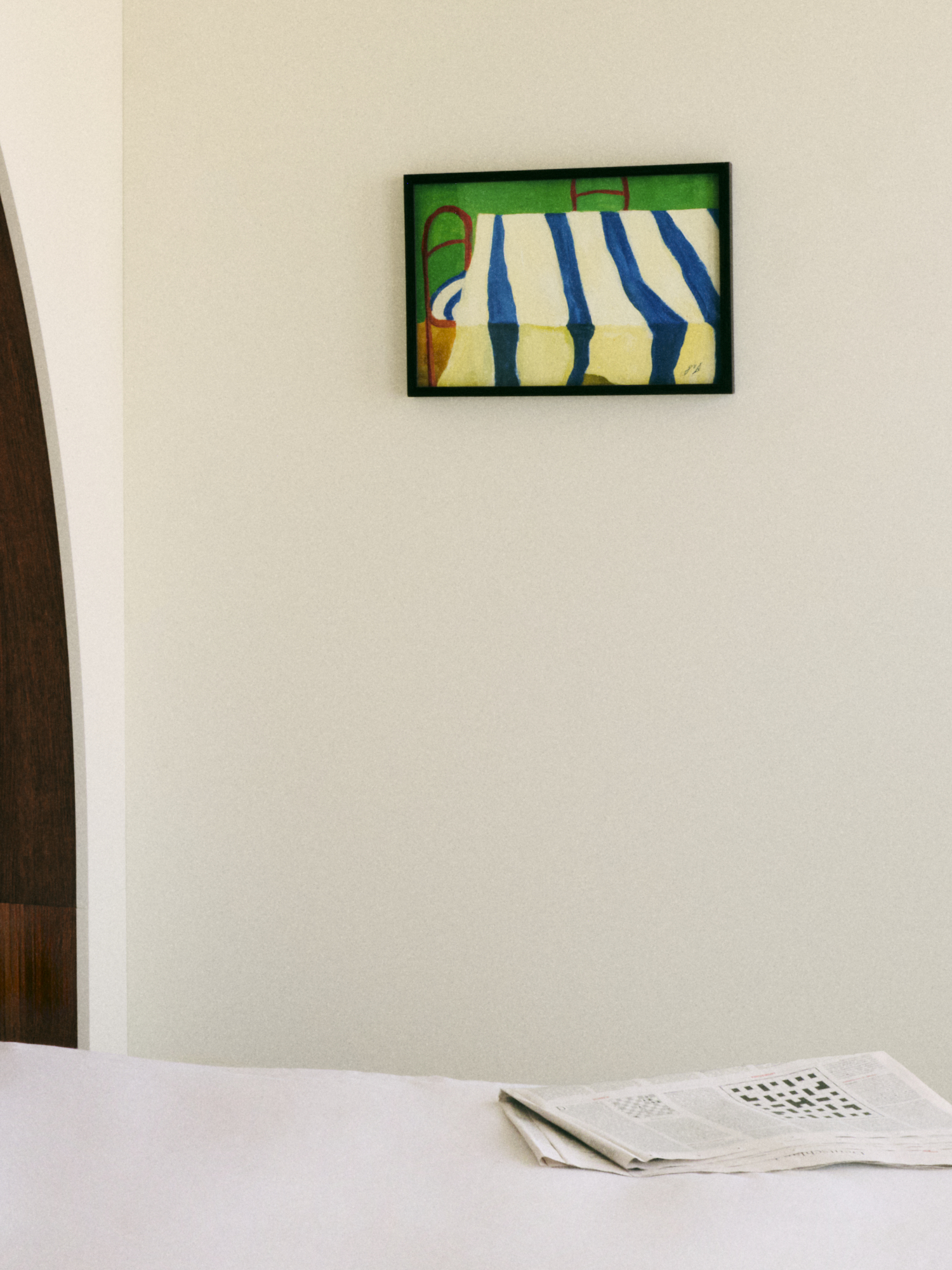
The artworks play an integral role in this construction. In the restaurant, Les Crafties present two monumental textile patchworks, functioning both as decoration and as active surfaces. The lobby features pieces by designer Axel Chay, while a kinetic work by architect Jean-Benoît Vetillard hovers above the bar, introducing a subtle dimension of movement. In the guest rooms, works by Brazilian artists Guilherme Milward, Samantha Capatti and Gustavo Francesconi extend this dialogue, situating hospitality within a broader geography of practices and sensibilities.
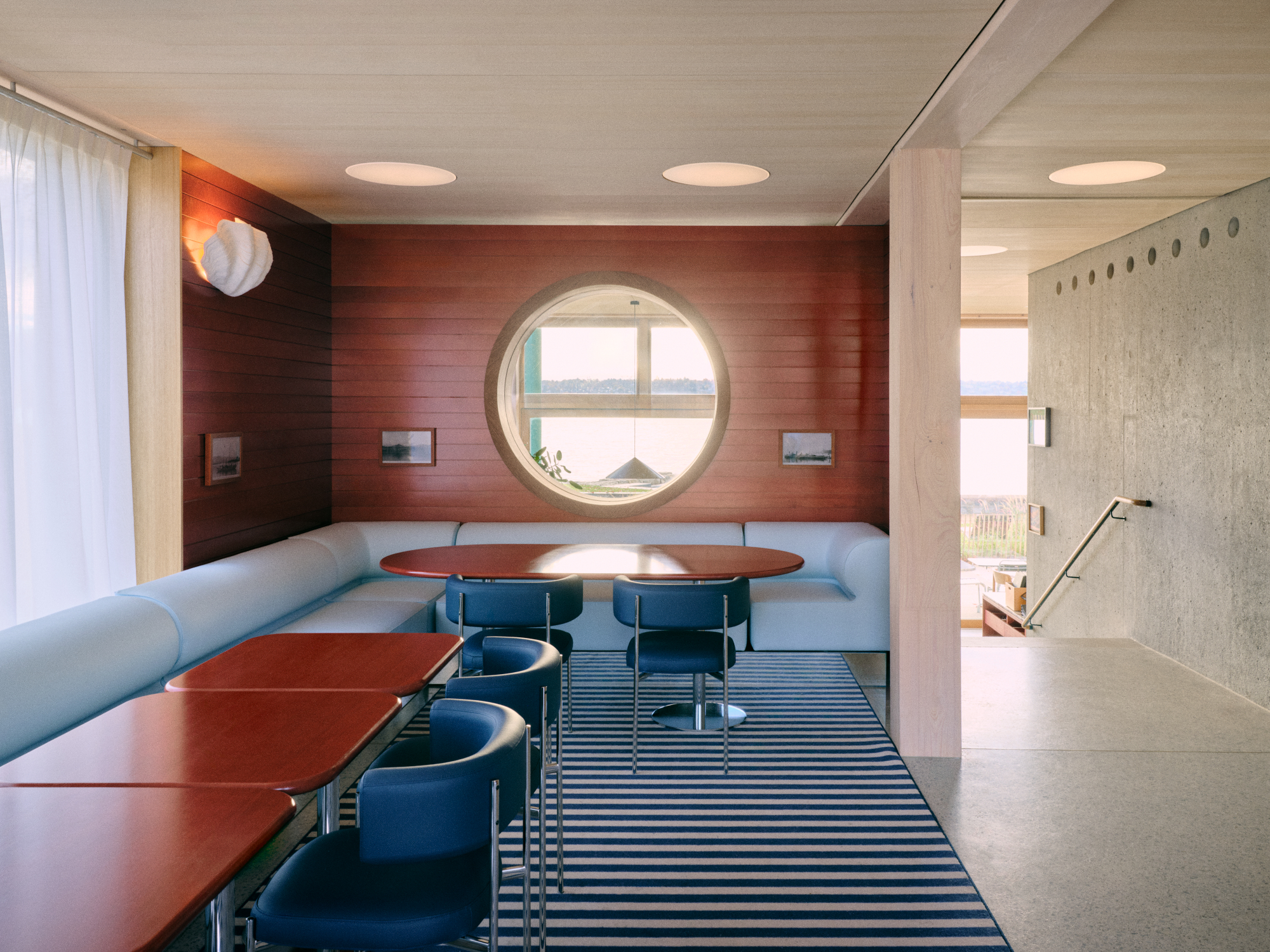
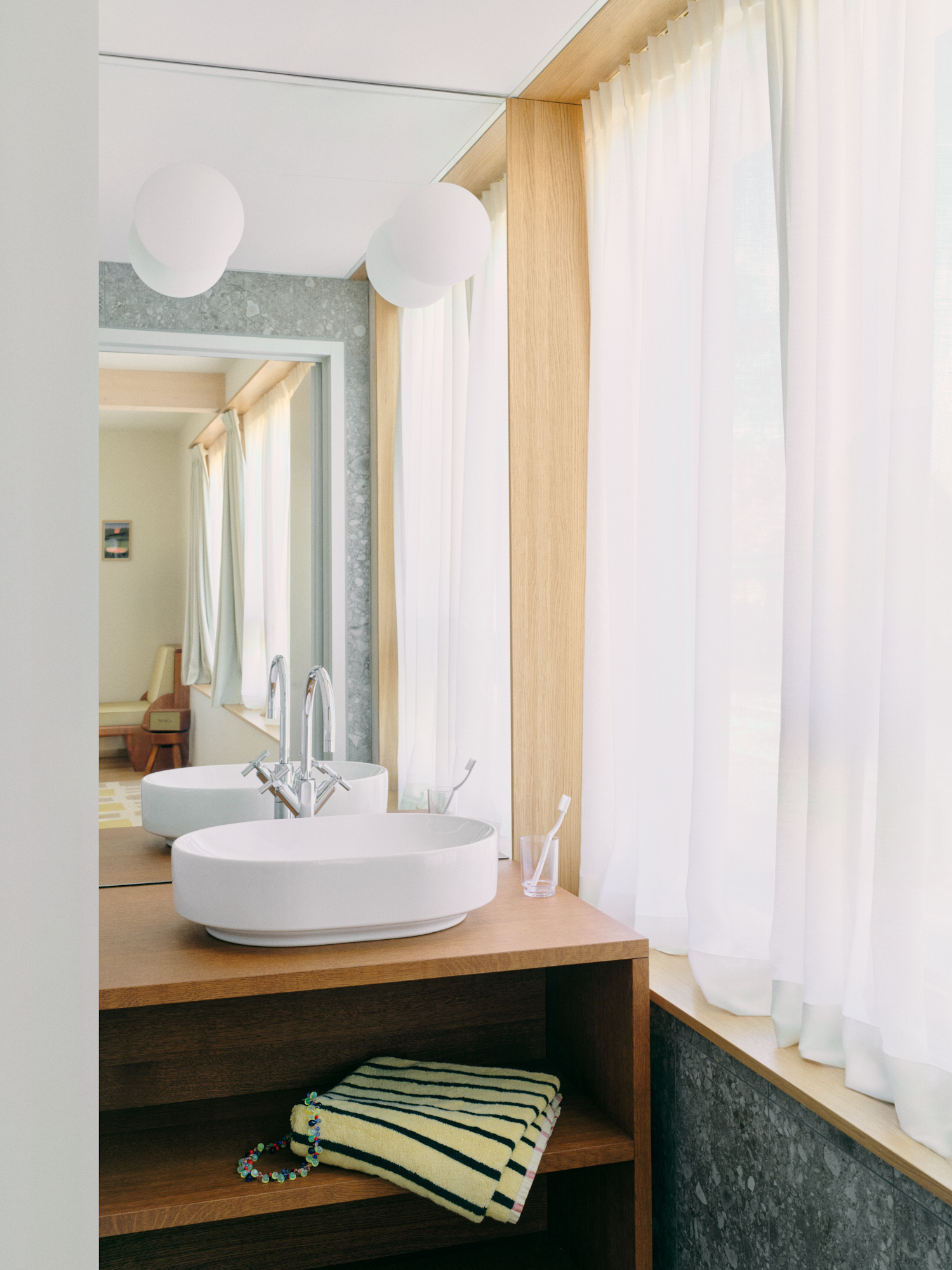
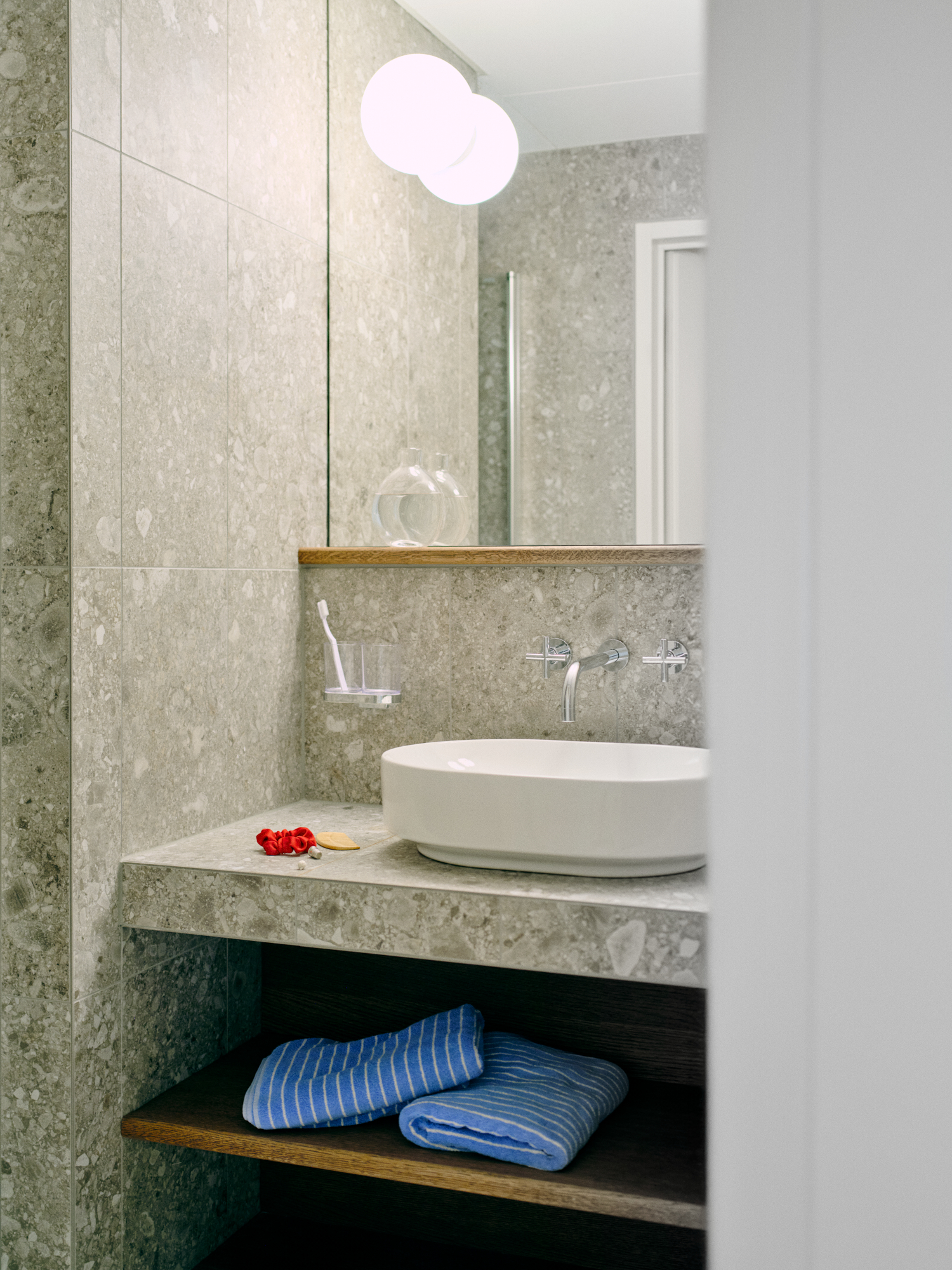
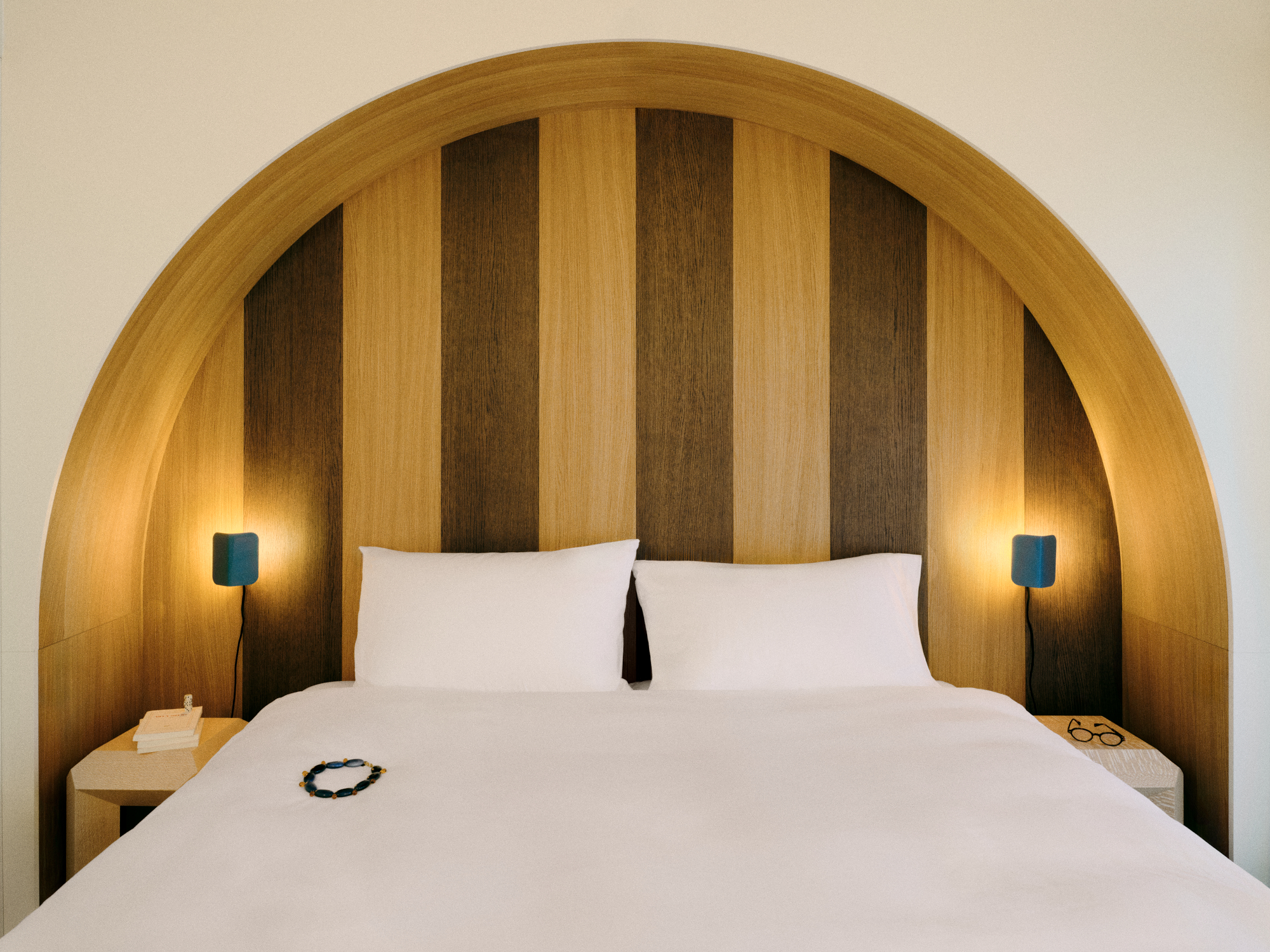
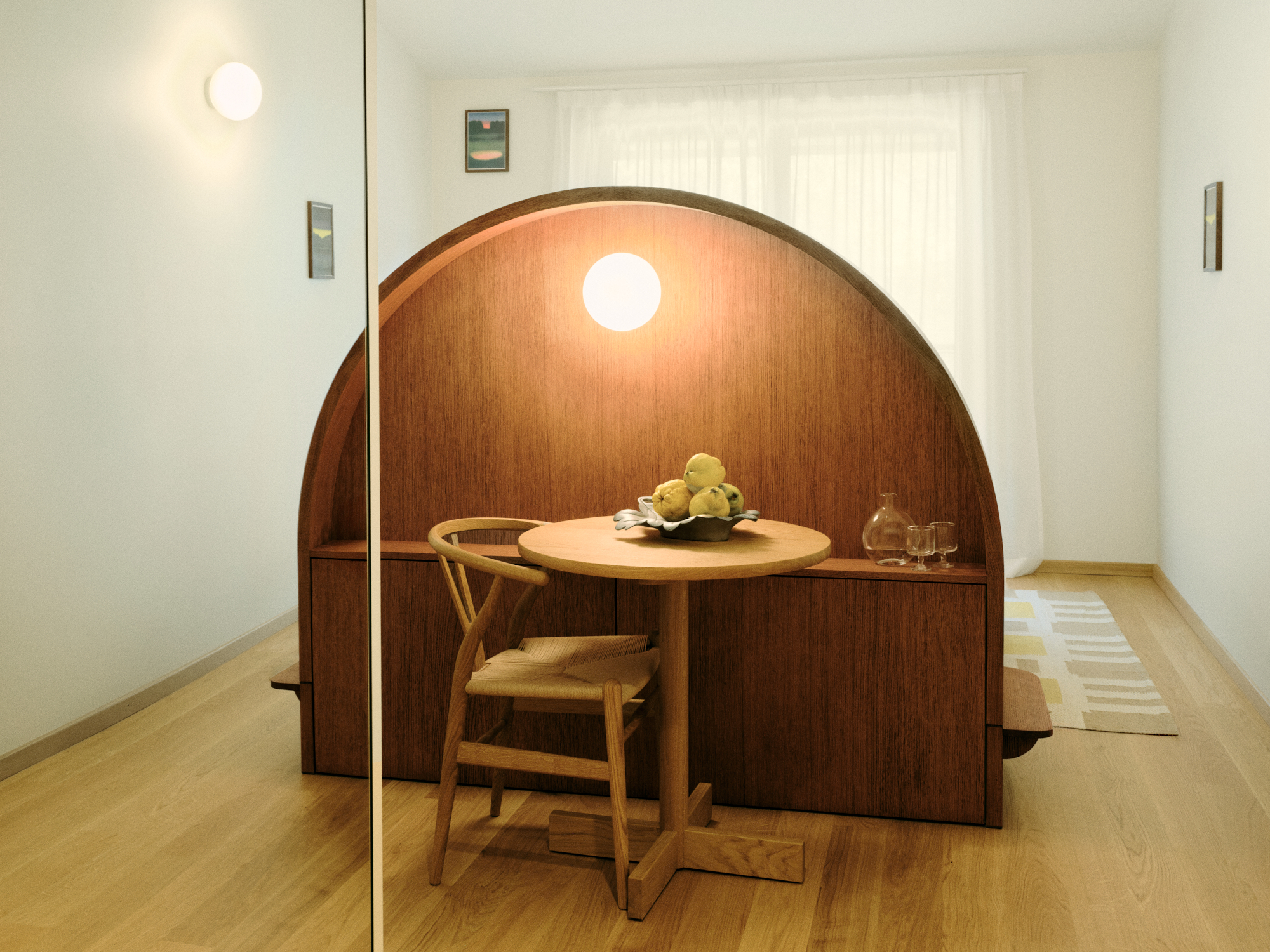
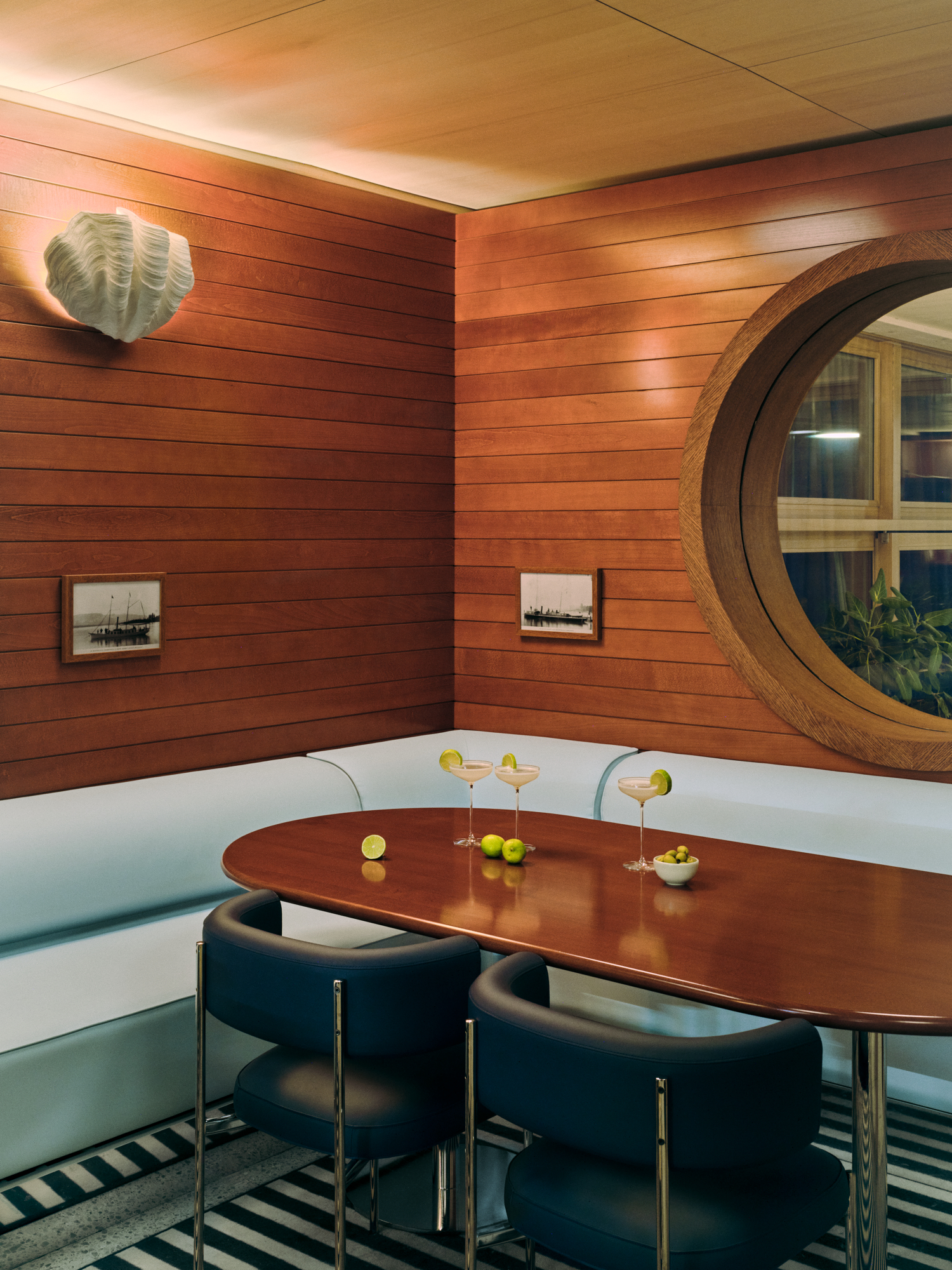
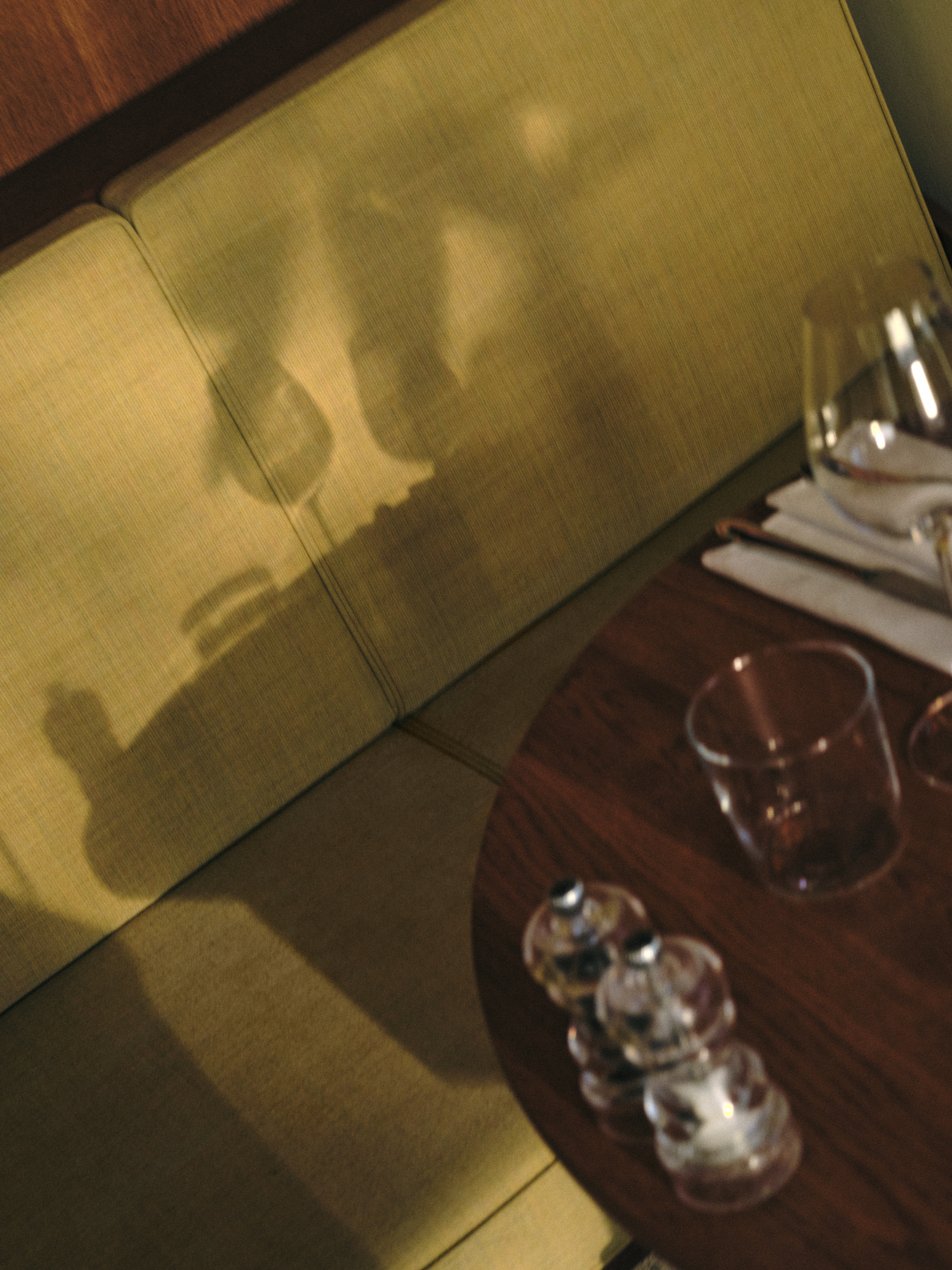
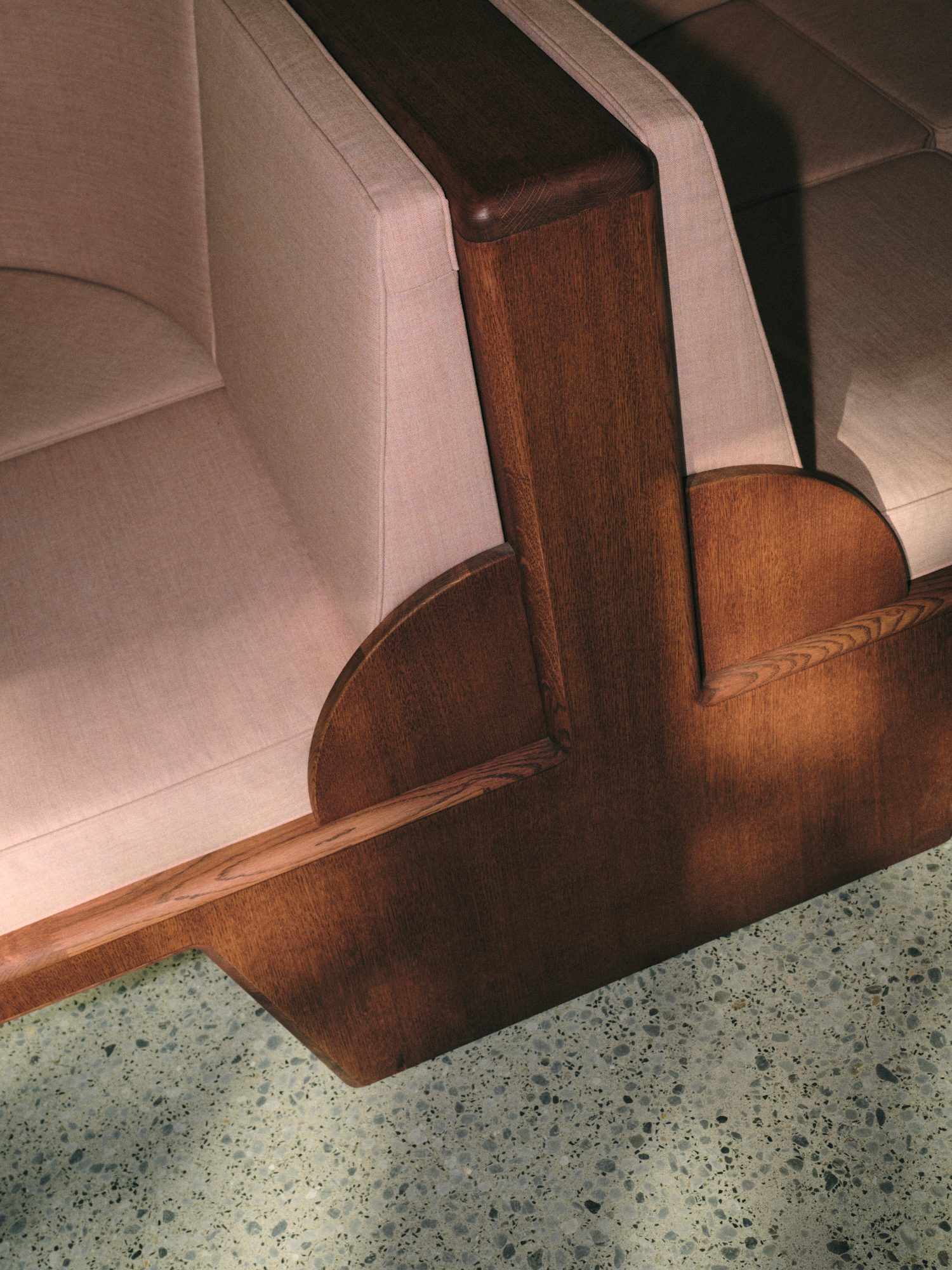
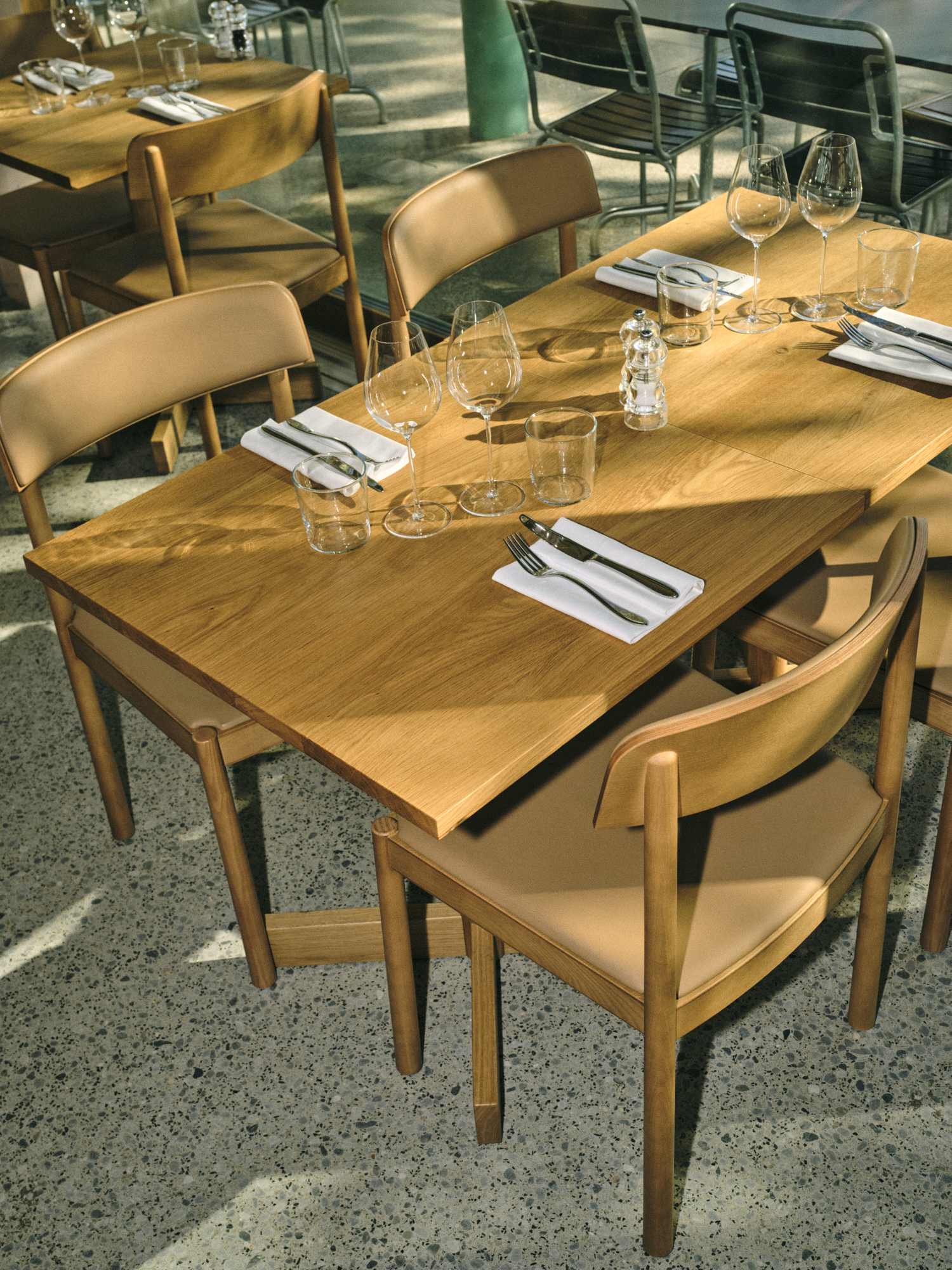
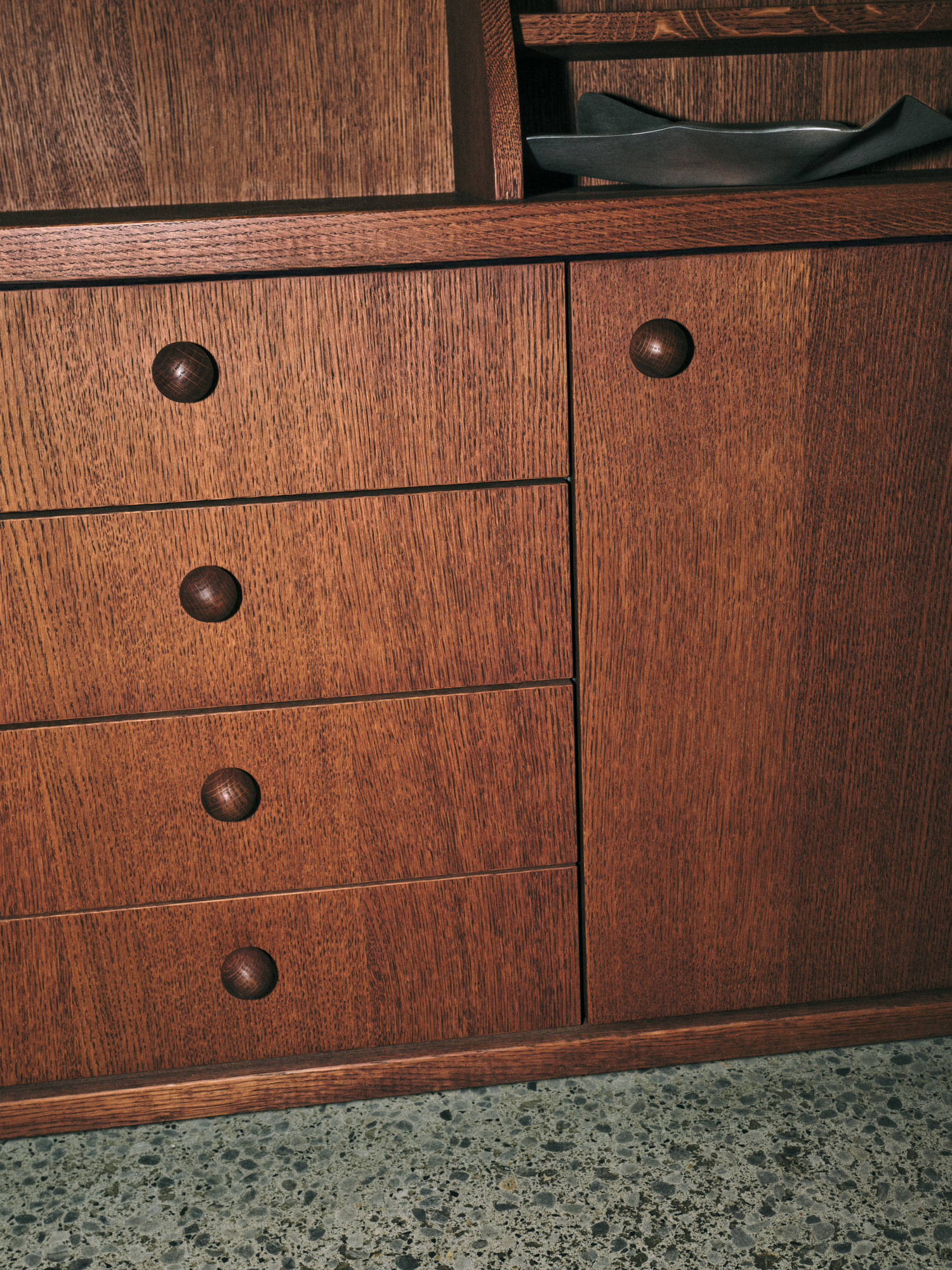
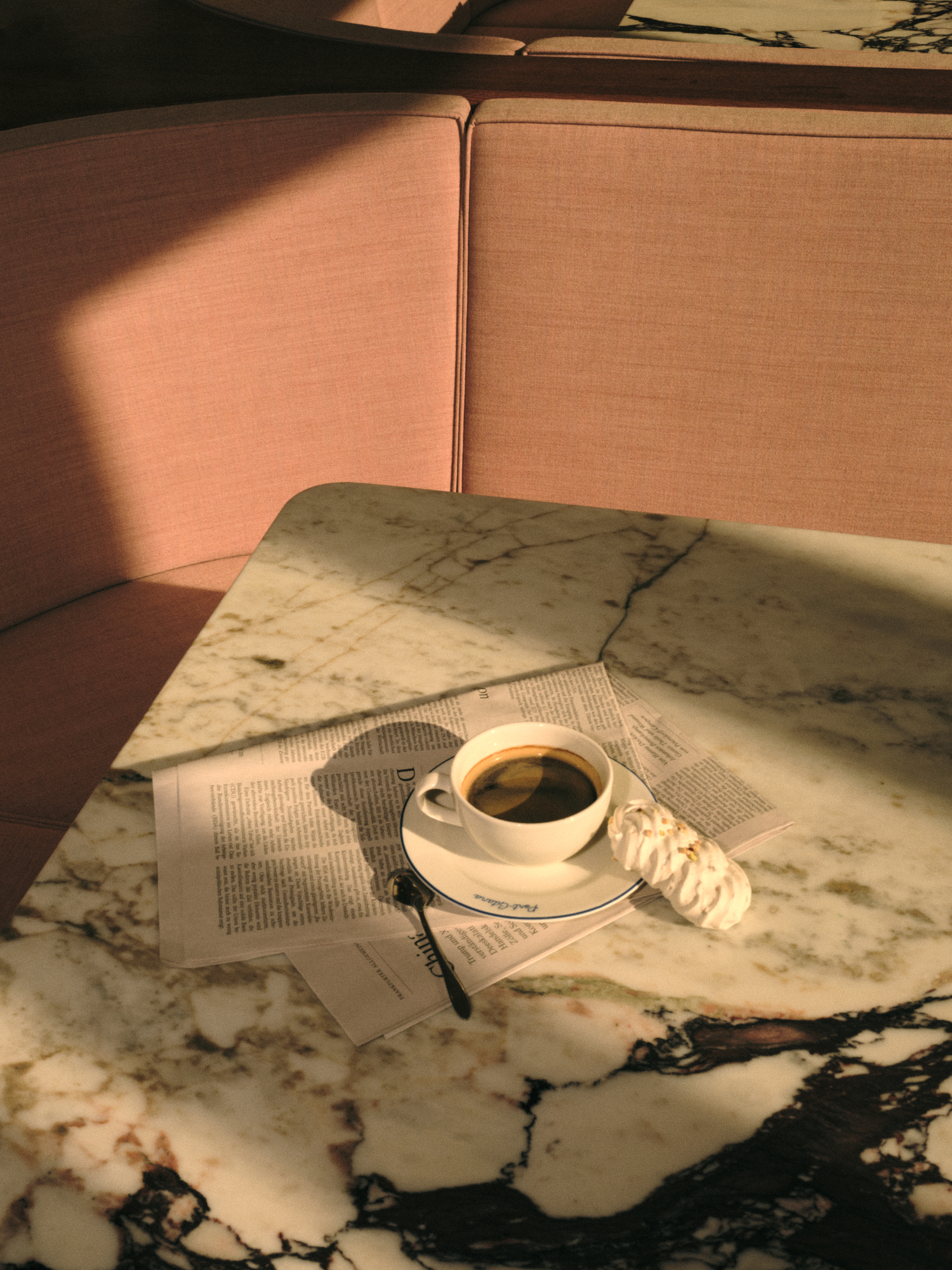
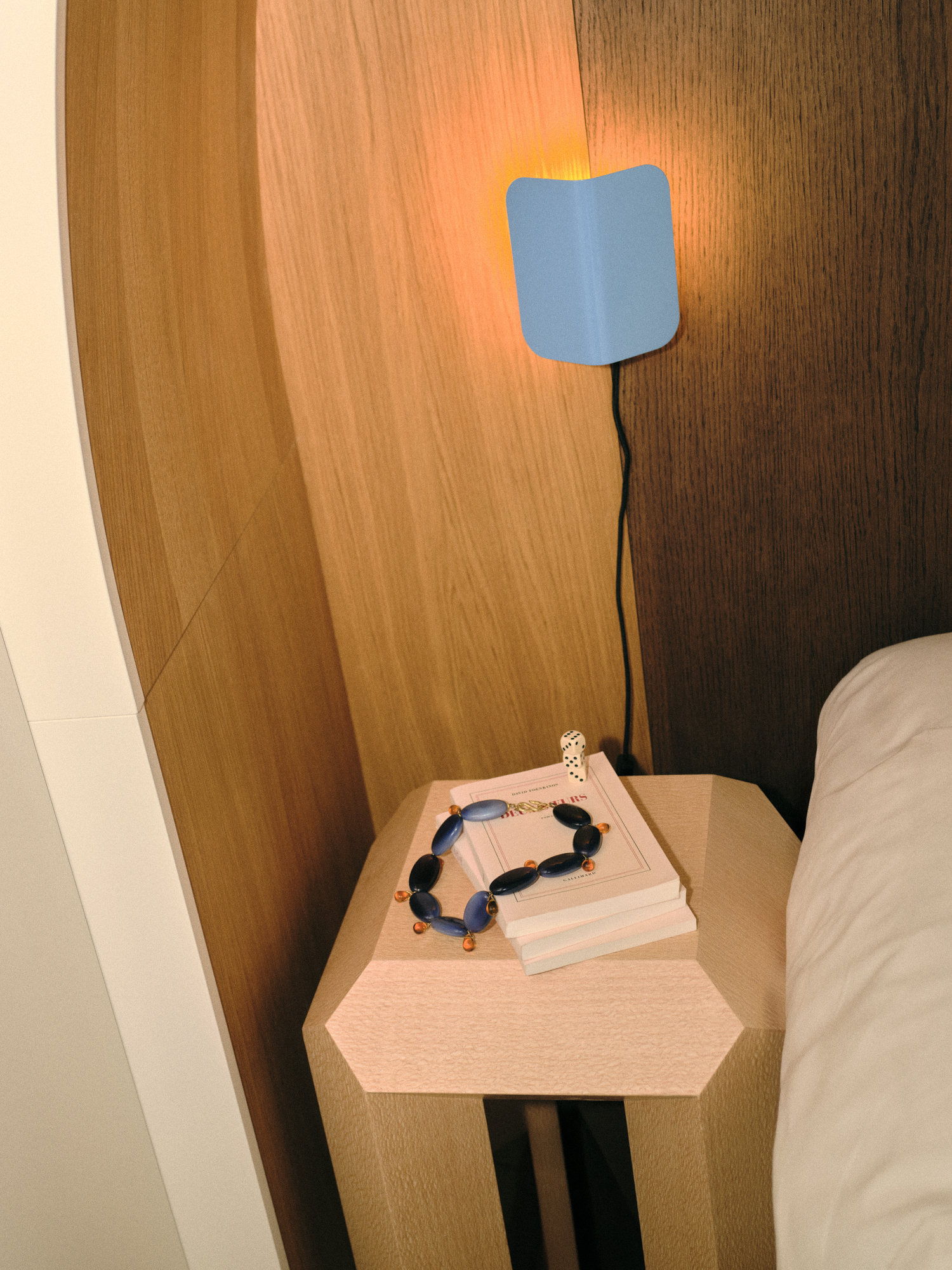
The shared spaces are organised around banquettes upholstered in colourful fabrics reminiscent of sailing cabins, paired with marble and wooden tables that recall a restrained, contemporary interpretation of the brasserie. Each room is defined by its own chromatic palette. Bathrooms adopt a mineral atmosphere, while headboards are either nestled within solid wood alcoves or oriented directly towards the lake. These interiors form a series of micro-landscapes—spaces conceived for pause, observation and the quiet accumulation of memory.